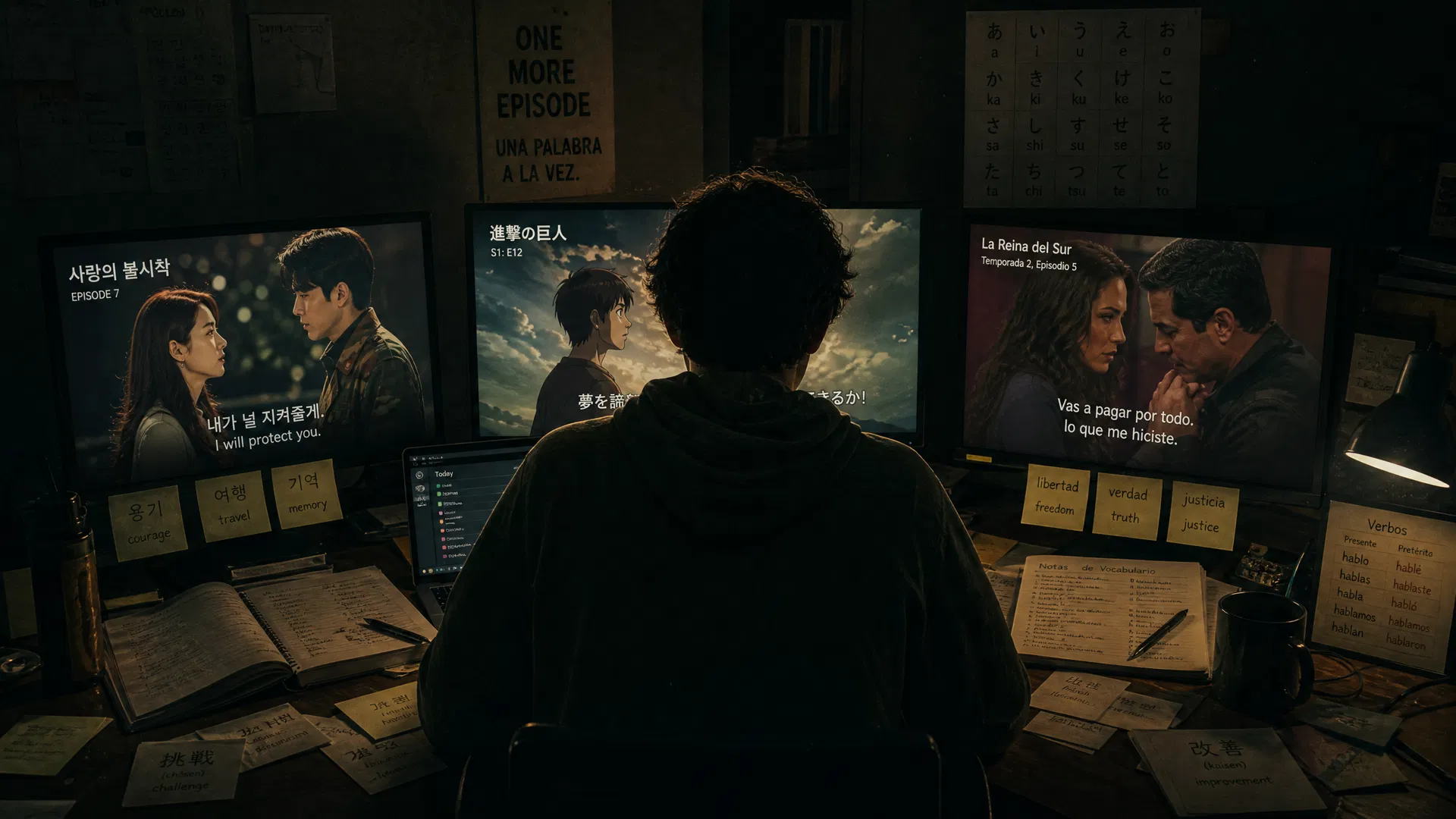
Best Duolingo Alternatives That Actually Work
Duolingo has 500 million users — but most of them never reach fluency. Here are the 11 best alternatives, ranked by real-world effectiveness, with honest pros, cons, and pricing for 2026.
Why Duolingo Falls Short for Serious Learners
Duolingo is a masterpiece of engagement design — its streaks, hearts, and XP system keep users coming back daily. But engagement and learning are not the same thing. Duolingo's internal research found that 34 hours of Duolingo equals one semester of university Spanish, which sounds impressive until you realize that most learners need 600–750 hours to reach conversational ability.
"The elephant drinks the juice" — Duolingo's sentences are designed to be memorable, not useful.
Duolingo courses max out at ~2,000 words. Conversational fluency requires 5,000–10,000.
Duolingo's pronunciation exercises are basic. Real fluency requires real conversation.
Duolingo Alternatives vs Duolingo: Key Metrics
Scores out of 100 across retention, speaking practice, content quality, and overall value.
The 11 Best Duolingo Alternatives (2026)
LangPanda is the most complete Duolingo alternative for serious learners. It adds dual subtitles to Netflix and YouTube, lets you click any word for an instant definition, and exports sentences to Anki with one click — all while you watch shows you actually enjoy. It combines the best of Language Reactor and Anki into a single, polished experience.
italki connects you with native-speaking tutors and language exchange partners from around the world. With community tutors from around $4–5 per lesson, it's the most affordable way to get real speaking practice — the skill Duolingo completely fails to teach. Regular italki sessions dramatically accelerate progress when combined with immersion tools.
Anki is a free, open-source flashcard app built on spaced repetition science (SRS). Studies show SRS produces 2–3x better long-term retention than massed practice. While Anki requires more setup than Duolingo, its effectiveness is unmatched for vocabulary acquisition. Pair it with LangPanda for sentence mining from authentic content.
Lingopie is a streaming platform built specifically for language learners. Every show is graded A1–C1, with interactive subtitles, vocabulary games, and a built-in flashcard system. Unlike Language Reactor (which requires a Netflix subscription), Lingopie is a standalone platform with its own content library in 10+ languages.
LingQ is the reading-and-listening immersion platform for learners ready to move from course exercises into articles, ebooks, podcasts, and imported content. It offers a built-in library with Mini Stories, graded courses, news feeds, and books across 40+ languages, with instant lookups and built-in vocabulary review.
ⓘ Disclosure: BingeFluent earns a commission from links to LingQ at no extra cost to you. We only recommend tools we believe in.
Try LingQ — free demo tierLanguage Reactor (formerly Language Learning with Netflix) is a Chrome extension that adds dual subtitles and instant word lookup to Netflix and YouTube. It's the most popular immersion tool with millions of users. The free tier covers the basics; Pro ($5.95/mo) adds Anki export and Reactor Mode.
Pimsleur is an audio-based language learning program built on spaced repetition and active recall. It's ideal for commuters and learners who prefer listening over reading. Each 30-minute lesson builds on the previous one, and the method has a strong track record for building conversational ability quickly.
Babbel offers structured, curriculum-based language courses designed by professional linguists. Unlike Duolingo's gamified approach, Babbel focuses on practical conversation skills from day one. Lessons are 10–15 minutes and cover real-world scenarios. It's more expensive than Duolingo but significantly more effective.
Clozemaster is a vocabulary and grammar tool that uses fill-in-the-blank sentences from real texts. It's specifically designed for intermediate learners (B1+) who have outgrown Duolingo and need to expand their vocabulary beyond the basics. With millions of sentences in 50+ languages, it's an excellent bridge between beginner tools and full immersion.
Rosetta Stone is one of the oldest and most recognized language learning brands. Its immersive method teaches language through images and context without translation — similar to how children learn. While it's expensive and less effective than modern tools, it remains a solid choice for beginners who prefer a structured, translation-free approach.
HelloTalk is a language exchange app that connects you with native speakers who want to learn your language. You help them with English; they help you with your target language. It's completely free for basic use and is one of the best ways to get real conversation practice without paying for tutoring.
The Optimal Stack: Replace Duolingo Completely
The most effective language learning setup combines three tools that cover the three pillars of fluency: comprehension, vocabulary, and speaking.
30–60 min/day of immersion through shows you enjoy. Builds listening comprehension and vocabulary in context.
15 min/day of spaced repetition reviews. Export sentences from LangPanda for maximum retention.
1–2 sessions/week with a native tutor. Activates passive vocabulary and builds real conversational ability.
ⓘ Disclosure: BingeFluent earns a commission from links to our partners: LangPanda, Trancy, Lingopie, italki, and LingQ at no extra cost to you. We only recommend tools we believe in.
Start with LangPanda Free7-day free trial · No credit card required